
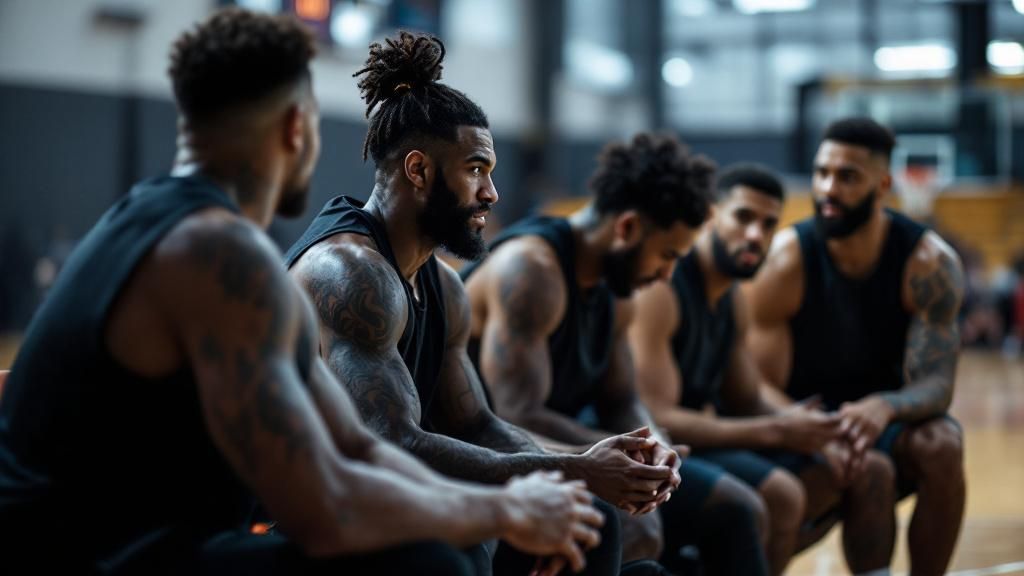
In an unprecedented exchange of professional experience, top-tier NBA players are currently partnering with European elite basketball teams to revolutionise coaching practices throughout Europe. This groundbreaking venture brings state-of-the-art American coaching methods, nutritional strategies, and performance analytics straight to European clubs, closing the geographical gap in basketball development. Discover how these working relationships are improving European prospects, reshaping performance benchmarks, and nurturing a fresh cohort of world-class players through shared expertise and advancement.
Top-tier American Instructional Techniques Revolutionising Basketball in Europe
The inflow of NBA coaching methodologies into European basketball has significantly changed how clubs handle athlete progression and team performance. American coaches bring decades of experience from the world’s premier basketball league, bringing sophisticated training protocols that prioritise athlete skill enhancement, defensive intensity, and athletic conditioning. European teams have readily adopted these methods, understanding that implementing established American practices offers a competitive advantage in an increasingly globalised sport. This mutual sharing has created a reciprocal arrangement where European clubs gain from established best practices whilst NBA coaches obtain important perspective into European game methods and playing innovations.
The effect of these partnerships reaches beyond mere skills training, substantially transforming organisational structures within clubs across Europe. Teams have restructured their coaching frameworks, integrated advanced analytics platforms, and established structured training programmes directly drawn from NBA protocols. Young European players now receive premier coaching instruction formerly available only to American athletes, enhancing their performance advancement. Furthermore, this knowledge transfer has enhanced the overall professional quality within European basketball, motivating clubs to commit resources to state-of-the-art venues, sports science units, and comprehensive player welfare programmes that mirror American standards.
Strength and Performance Programmes from NBA Champions
NBA champions have revolutionised athletic development by deploying evidence-based programmes that emphasise functional fitness and damage prevention. European teams are now adopting these methodologies, which emphasise periodised training cycles, sport-specific conditioning, and advanced recovery protocols. These programmes combine weight-based exercises, plyometrics, and endurance training customised for basketball’s intense physical demands. By embracing NBA champions’ scientifically-grounded approaches, European clubs are substantially improving player durability, explosive power, and comprehensive physical capability whilst limiting damage potential.
The incorporation of tailored fitness protocols has demonstrated significant impact for European professionals. NBA strength coaches are introducing biomechanical assessments, real-time performance monitoring, and customised programme adaptations based on athlete performance metrics. European teams benefit from high-tech apparatus, dietary support, and recuperation techniques once limited to American franchises. This collaborative approach ensures European athletes build elite-standard fitness levels, enabling them to stand up to elite international competition and position themselves as formidable contenders on the worldwide basketball arena.
Mental Resilience and Sports Psychology Approaches
NBA stars have highlighted the critical importance of mental strength in professional basketball, discussing mental techniques that have proven instrumental in their performance. European teams are now implementing mental imagery methods, mindfulness practices, and mental conditioning methods that NBA players apply during high-pressure matches. These mental conditioning methods extend beyond competition contexts, including training sessions where athletes strengthen psychological capacity through controlled stress scenarios. By adopting these scientifically-supported mental approaches, European clubs are cultivating mentally stronger competitors able to maintaining performance at top-tier competition.
The integration of sports psychologists into European coaching systems shows the NBA’s integrated approach to athlete development. Partnership with American mental performance coaches has introduced European players to mindfulness techniques, emotional regulation strategies, and self-assurance training historically absent in continental basketball. These techniques manage competitive stress, sharpen focus during key situations, and foster mental recuperation following matches. European teams acknowledge that exceptional physical conditioning means nothing without equivalent mental toughness, rendering these mutual performance understanding essential for creating championship-calibre athletes equipped for international competition.
Practical Implementation and Future Opportunities
Incorporating NBA Methods into European Training Programmes
European clubs are now systematically integrating NBA training methodologies into their established frameworks, with remarkable results already visible across the continent. Teams have set up dedicated coaching staff versed in American techniques, whilst concurrently adjusting these approaches to suit continental playing preferences and resources. The implementation process encompasses comprehensive review of player performance metrics, comprehensive strength and conditioning protocols, and enhanced skill-building frameworks. This structured implementation ensures that European athletes draw upon top-tier coaching without compromising the tactical approaches that have historically defined European basketball excellence.
Sustained Expansion and Global Competitiveness
Looking ahead, these joint initiatives promise considerable future gains for European basketball’s worldwide competitive standing. European youth players now enjoy unparalleled exposure to elite coaching expertise, equipping them to succeed more readily in international competitions and conceivably secure NBA opportunities themselves. The exchange of knowledge remains dynamic, with European teams contributing their own innovative approaches to American coaching staff. This reciprocal relationship forms a lasting structure for continuous improvement, in the end strengthening basketball development worldwide and creating a genuinely international professional sport.
